Burial vs. Cremation: How to Decide What's Right for Your Family
Few decisions feel as weighty as choosing between burial and cremation.
For some families, the answer is clear because a loved one shared their wishes or because faith and tradition point the way. For others, the choice comes amid grief, with little time to reflect and many voices offering opinions. If you are weighing these options, know that there is no single right answer. There is only the choice that feels most fitting for the person you are honoring and the people who loved them.
At Schumacher-Kish Funeral and Cremation Services, we have walked alongside families in La Crosse, Onalaska, and La Crescent for more than 75 years. Here is a gentle look at the questions that can help you find clarity.
Understanding Your Options
What Traditional Burial Involves
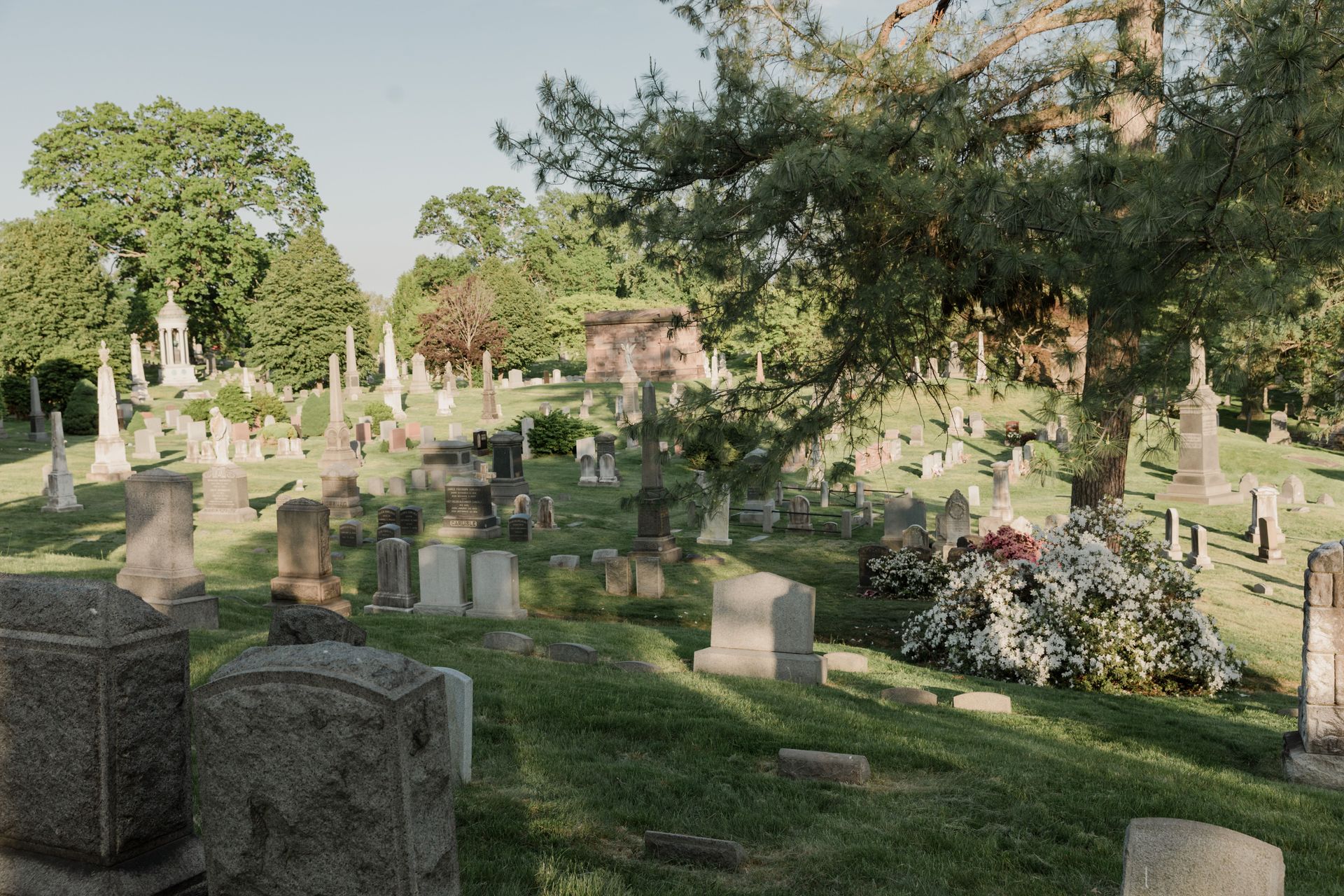
Burial is the long-standing practice of placing a loved one's body in a casket and laying them to rest in a cemetery plot, mausoleum, or family grave. It is often preceded by a visitation and a funeral service, followed by a committal at the graveside. Many families find comfort in having a permanent, physical place to return to on anniversaries, holidays, and quiet afternoons. Burial also carries deep meaning in many religious traditions. Families considering this path can review our funeral packages to see how the different elements come together.
What Cremation Involves
Cremation uses intense heat to reduce the body to bone fragments, often called ashes or cremated remains. Afterward, the remains are returned to the family in a temporary container or an urn of their choosing. Cremation offers flexibility. Remains can be buried, placed in a columbarium niche, kept at home, shared among family members, or scattered in a meaningful place, as long as local rules are respected. Because our Onalaska location has its own on-site crematory, families can feel confident that their loved one remains in our care throughout the process. You can explore our cremation packages to understand the options available.
Questions That Can Guide Your Decision
As you reflect, these questions can help bring your family's priorities into focus.
What Did Your Loved One Want?
The most important starting point is often the simplest. Did your loved one ever share how they wanted to be remembered? Some people leave written instructions or pre-planning documents, while others mention their preferences in passing conversation. Even a casual comment can offer guidance and reassurance that you are honoring their wishes. If no instructions exist, think about the life they lived. Were they deeply rooted in tradition, or did they value simplicity and freedom? Their personality can often point you in the right direction.
How Does Faith or Tradition Shape the Choice?
Many faiths hold specific beliefs about the body after death. Some traditions strongly favor burial, while others embrace cremation or have become more accepting of it over time. If your family belongs to a faith community, speaking with a clergy member can help you understand which practices align with your beliefs. Family customs matter too. If generations of your family rest in the same cemetery, that continuity may carry special significance.
Where Will Your Family Go to Remember?
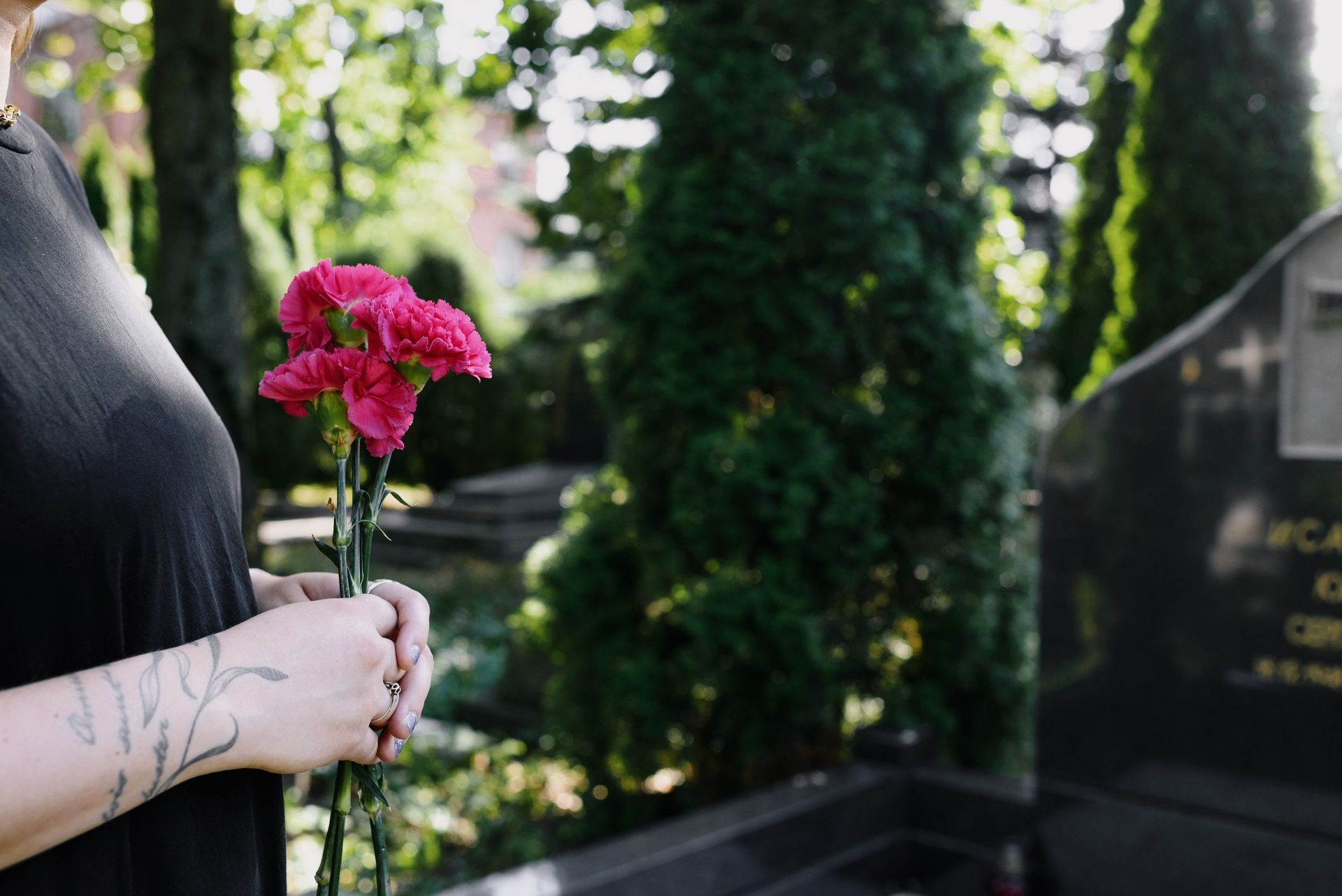
Consider how your family will want to grieve and remember in the years ahead. A cemetery plot offers a fixed place to visit, leave flowers, and gather. Cremation allows for more mobility, which can be helpful when relatives live far apart or when your loved one had a favorite spot along the Mississippi River or in the bluffs of the Coulee Region. Some families choose cremation and then bury the urn, blending both approaches.
What Fits Your Budget?
Cost is a practical concern, and it is perfectly reasonable to take it into account. Cremation is often less expensive than traditional burial because it may not require a casket, burial plot, vault, or headstone. That said, costs vary depending on the services you select. Cremation with a full visitation and funeral can be comparable to some burial arrangements. Asking for clear pricing helps you make a decision without added stress.
Both Paths Can Include a Meaningful Service
One common misconception is that choosing cremation means giving up a funeral. In reality, both burial and cremation can include a visitation, a funeral or memorial service, and personal touches that reflect a unique life. You might hold a traditional service with the casket present before cremation, or gather weeks later for a memorial with the urn displayed among photographs and cherished belongings. Through thoughtful funeral personalization, families can showcase hobbies, play favorite music, share stories, and create an atmosphere that feels true to their loved one. The disposition choice is only one part of the story. The way you gather to remember matters just as much.
Making the Decision Together
When family members hold different views, the conversation can feel tense. Try to approach it with patience, focusing on shared goals: honoring your loved one and supporting one another. Listen to each person's concerns, and remember that compromise is possible. A family might choose cremation while also selecting a cemetery niche so everyone has a place to visit. Above all, give yourself grace. Whatever you decide out of love and care is a meaningful one.
Whether your family is leaning toward burial, cremation, or still weighing both, our team is here to answer your questions with patience and honesty. Since 1949, we have helped families across the area create farewells that feel healing and personal. Learn more about Schumacher-Kish Funeral and Cremation Services, or reach out to our caring staff whenever you are ready to talk through your options.